Connect fragmented operational work into one intelligent system.
Operational work fragments easily: a request arrives by email, context lives in a document, the update happens in one system, the approval in another, and the report is assembled by hand. Every handoff costs time and introduces error.
Scope depends on the number of systems and workflows involved.
- Implementation
- 4–10 weeks depending on system landscape
- Built for
- Operations teams losing time to handoffs, re-entry and status chasing
Operational work fragments easily: a request arrives by email, context lives in a document, the update happens in one system, the approval in another, and the report is assembled by hand. Every handoff costs time and introduces error.
The AI Operations Engine connects those fragments. Incoming work is understood, enriched with context, routed, prepared for decision, and synchronised across systems. Managers get operational intelligence instead of chasing status updates.
Exception handling is explicit: deviations are surfaced with the context needed to resolve them, and the system escalates rather than stalls.
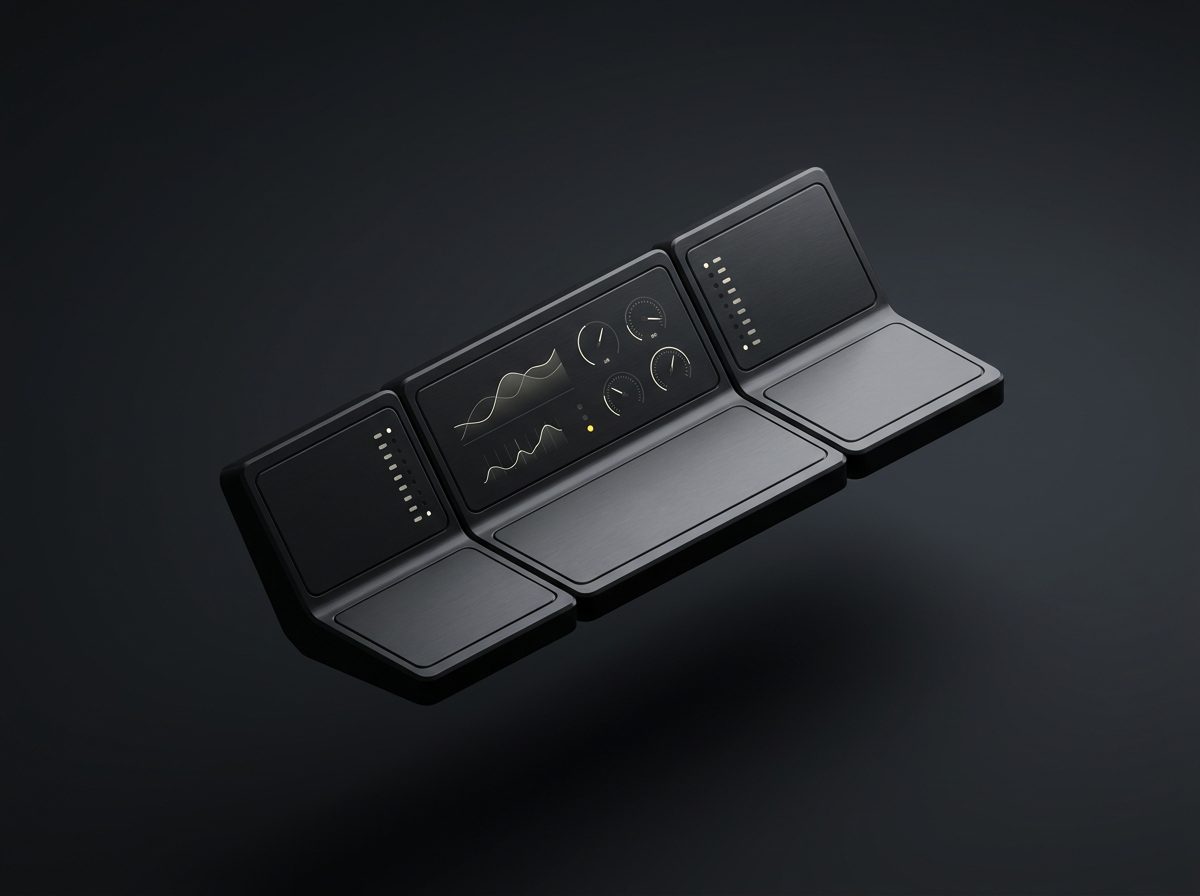
Interface illustration · each deployment is configured to your systems
What the system includes.
- Request intake & triage
- Document and email processing
- Company system integration
- Data entry automation
- Task creation & assignment
- Decision support
- Approval flows
- Operational reporting
- Notifications
- System synchronisation
- Management intelligence
- Exception handling
Integrations are implemented through documented APIs, databases or file exchange. Where a system does not expose an interface, we engineer around it — explicitly and documented.
The exact system is configured per organization: sources, departments, permissions, approvals and interfaces all follow your environment.
Common questions.
Do we need to replace our systems?
No. The Operations Engine connects the systems you already run — through APIs, databases or file exchange where necessary.
Who approves exceptions?
Your people. Approval routing reflects your organization: the system prepares the decision and routes it to the responsible role.
How do we start?
With the Forge Method: discover, map, architect. The first phase defines exactly where the system begins and what it should never touch.
Adjacent architectures.

Company AI OS
Your company doesn't need 30 disconnected AI tools. It needs one operating layer.

AI Sales Engine
Intelligence across the entire sales workflow.

AI Document Engine
Turn documents into operational intelligence.
Build this system around your environment.
Start with the Forge Method: discovery, mapping and architecture — before a single line is built.