
Systems, drawn plainly.
Four architecture examples spanning sales, company infrastructure, documents and customer operations. These are system examples — not client case studies — and are labelled as such everywhere they appear.
AI SALES ENGINE
Research → meeting → CRM → proposal → follow-up.
Lead intake from CRM → automated research and ICP evaluation → account intelligence → preparation brief → meeting processing → needs and objections → CRM synchronisation → next actions → personalised follow-up → proposal generation → pipeline monitoring. Human review sits at the send and proposal checkpoints.
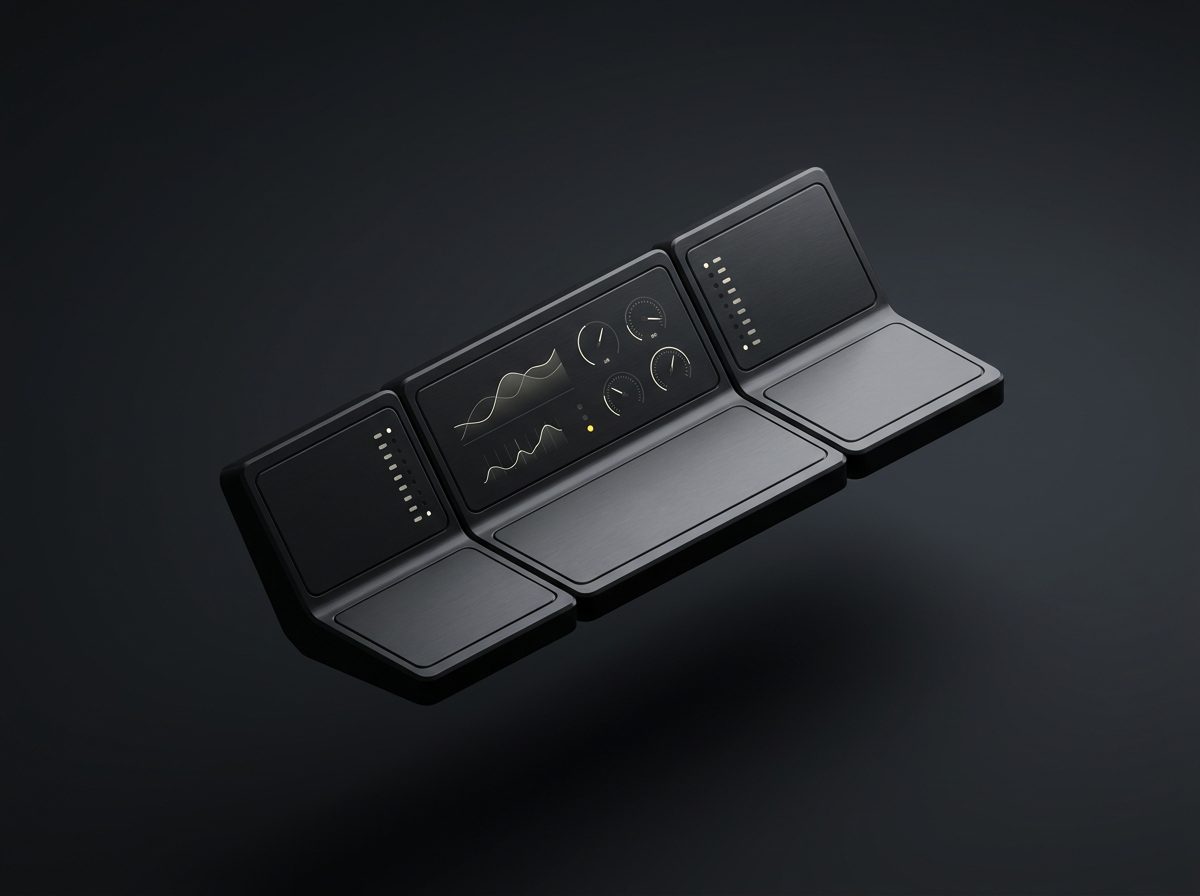
Interface illustration · CRM APIs · Research pipelines · Transcript processing · Document generation
COMPANY AI OS
Knowledge → agents → departments → workflows → permissions → evaluations.
Company data and knowledge sources → controlled knowledge layer → shared and role-specific agents → department workflows → permission boundaries and approval routing → evaluation and monitoring loop. Configured per organisation; the architecture stays constant.
Interface illustration · Knowledge infrastructure · Agent framework · Permissions · Evaluations
DOCUMENT INTELLIGENCE
Documents → extraction → reasoning → structured data → approval → company systems.
Document intake → classification → extraction → validation rules → exception routing to humans → structured output → delivery into ERP, databases and document systems. Confidence thresholds control what proceeds automatically.
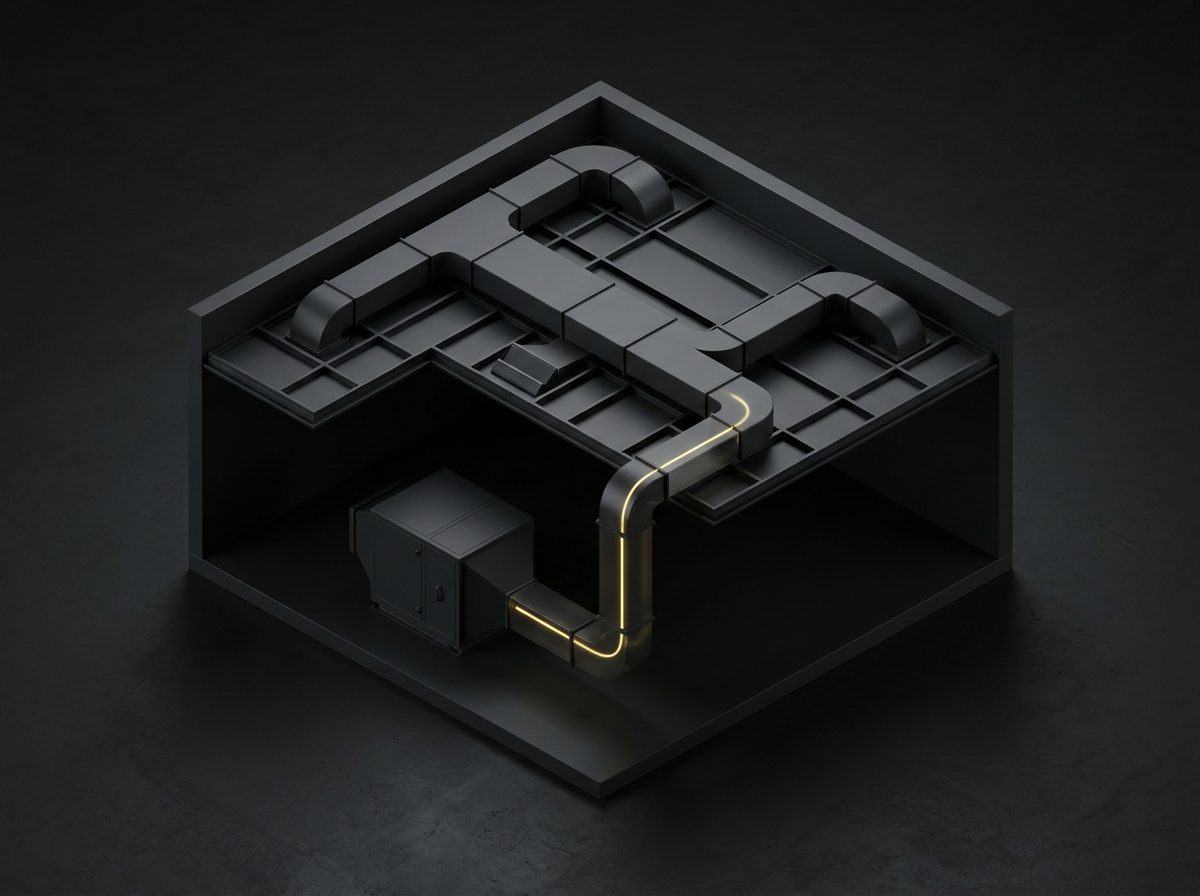
Interface illustration · Document AI · Validation engines · ERP integration · Exception workflows
CUSTOMER OPERATIONS
Request → context → action → human approval → response → reporting.
Request intake across channels → customer and case context retrieval → action preparation → human approval where required → response and resolution → automatic reporting and analytics back into operations.
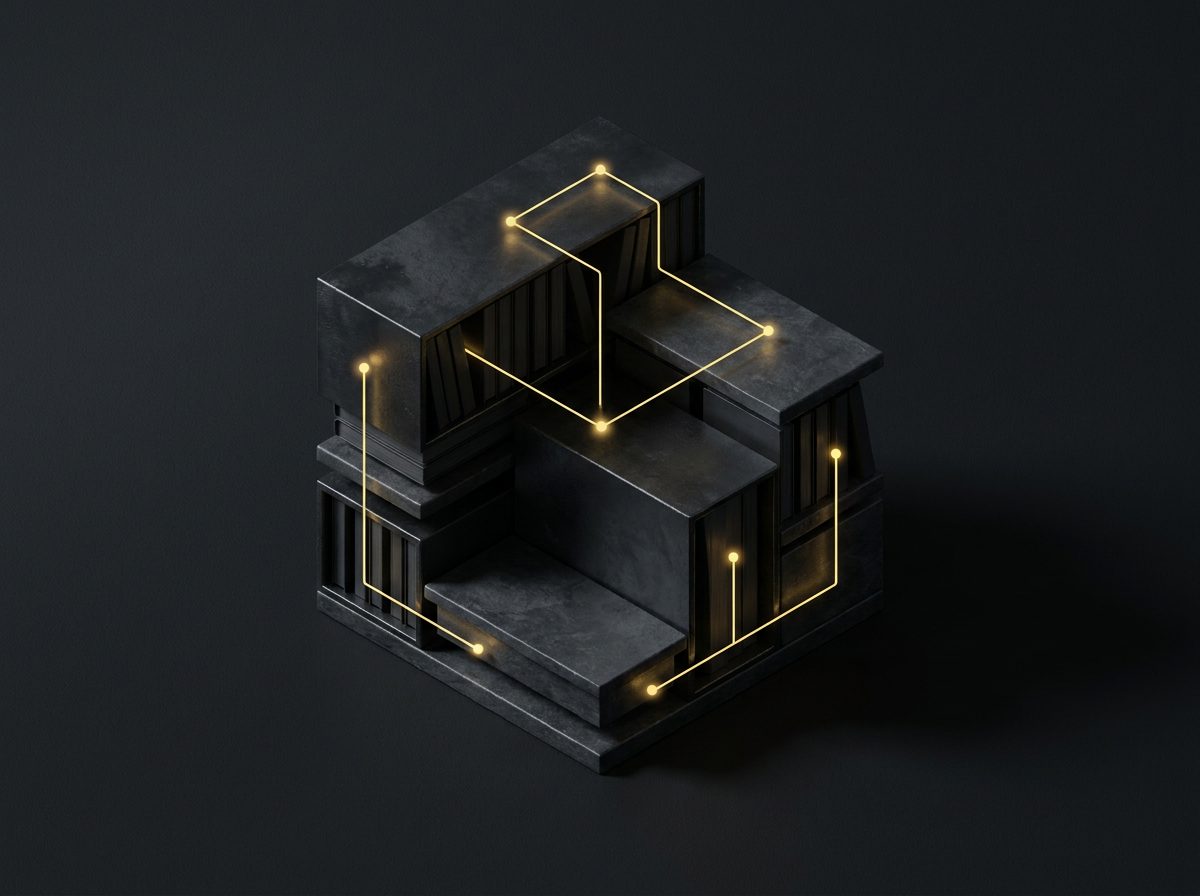
Interface illustration · Omnichannel intake · Context retrieval · Approval routing · Analytics
These architectures ship as Arvanord Systems.
Established architectures, configured for your environment — the same shapes, adapted to the way your company actually works.
Architecture is where every engagement starts.
Discovery, mapping and architecture come before any build — so the system is right before it is fast.